Making the case for centring refugee-led organisations at the heart of humanitarian reform — challenging the sector to move from participation to genuine power-sharing.ContextThe huma...
Making the case for centring refugee-led organisations at the heart of humanitarian reform — challenging the sector to move from participation to genuine power-sharing.
Context
The humanitarian sector has long spoken about "localisation" — shifting resources and decision-making closer to affected communities. Yet in practice, refugee-led organisations remain marginalised: consulted but rarely trusted with real authority.
The Argument
This piece argues that the ongoing "humanitarian reset" is an opportunity that will be squandered unless refugee-led organisations are positioned as genuine partners — not beneficiaries. The argument draws on seven years of on-the-ground experience in Kenya and across East Africa, observing how well-intentioned systems continue to replicate the exclusion they claim to address.
Africa's collective consciousness — seeing refugees as brothers and sisters — offers one of the strongest pathways to genuine inclusion.
Impact
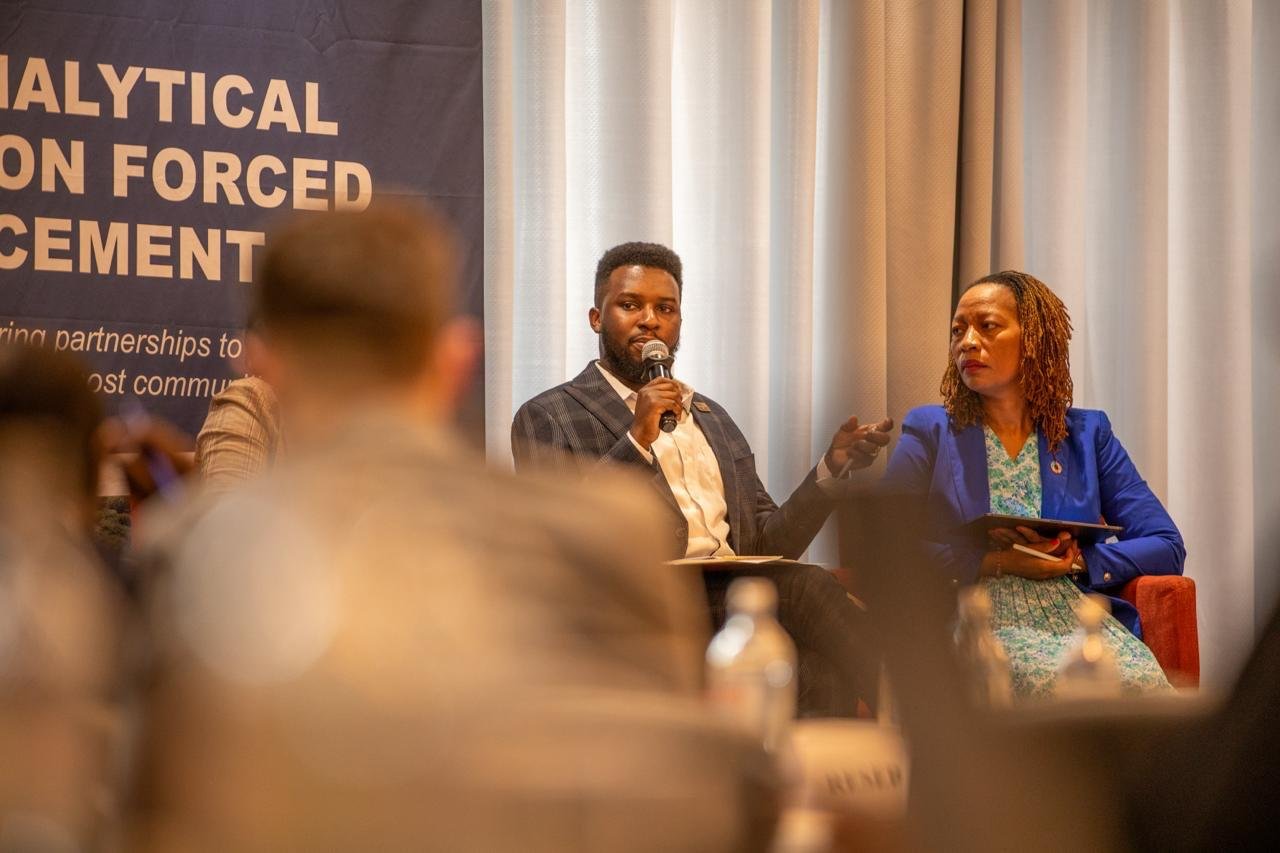
The article contributed to wider sector conversations on meaningful refugee participation and was cited in subsequent policy discussions at regional forums.