What R-SEAT Is and Why It ExistsR-SEAT Refugees Seeking Equal Access at the Table was founded on a premise that sounds simple but has radical implications: refugees should be genuine...
What R-SEAT Is and Why It Exists
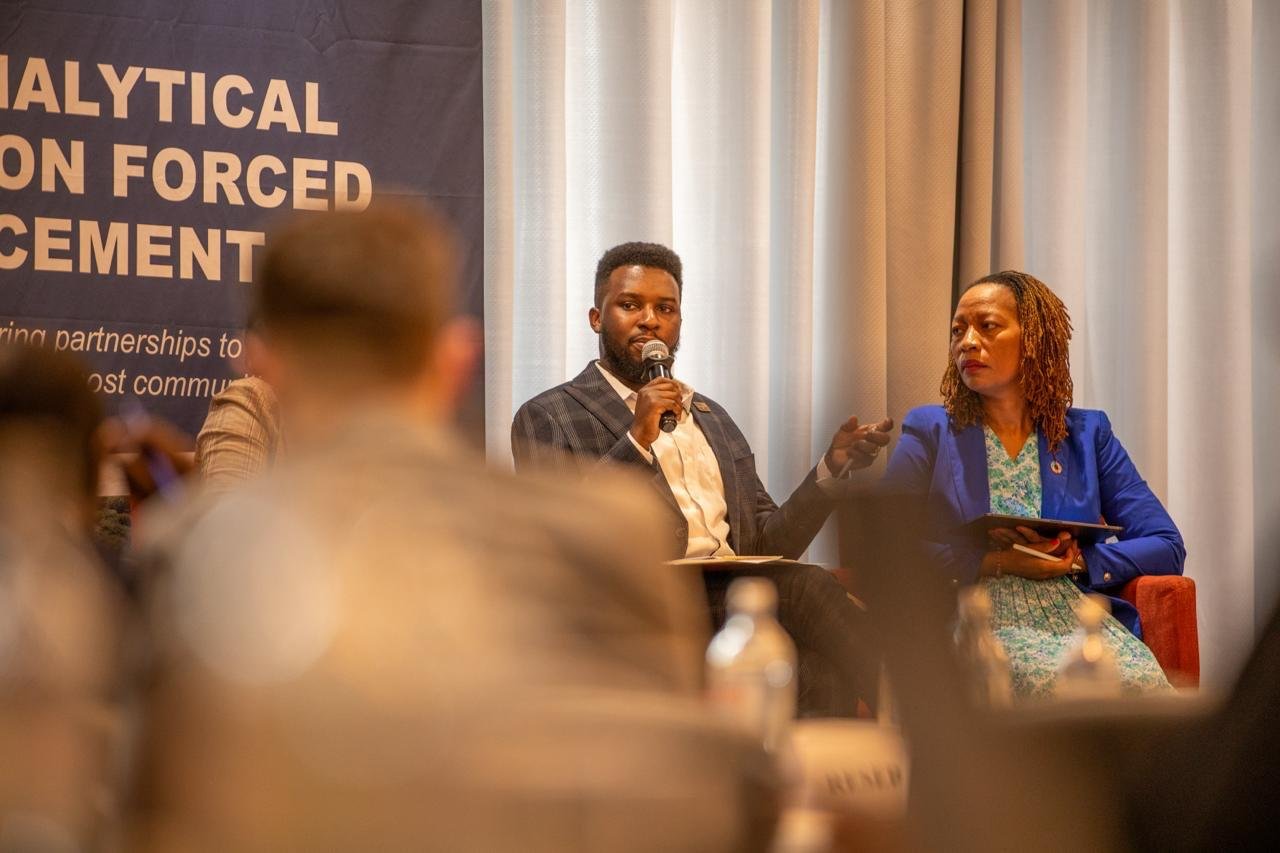
R-SEAT Refugees Seeking Equal Access at the Table was founded on a premise that sounds simple but has radical implications: refugees should be genuine participants in the decisions that govern their lives. Not as beneficiaries to be consulted. Not as case studies to be cited. As decision-makers, policy co-designers, and institutional leaders. My role as East Africa Regional Lead is to turn that premise into practice building coalitions, engaging governments, and creating the conditions for refugee participation to be institutionalised, not just invited.
The Geographic and Political Landscape
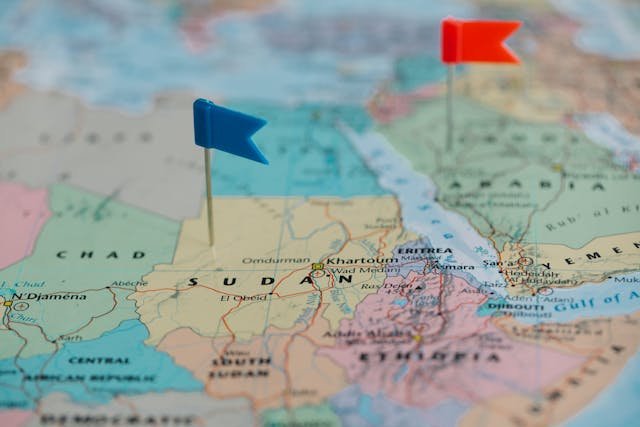
East Africa is one of the most complex refugee-hosting regions in the world. Kenya, Uganda, Tanzania, Ethiopia, and South Sudan together host millions of displaced people under different legal frameworks, with different levels of political commitment to inclusion, and with very different relationships between refugee communities and host governments. My work involves navigating that diversity finding the commonalities that allow for regional advocacy while respecting the specific conditions in each country. There is no single playbook. There is only relationship, trust, and the willingness to stay in difficult conversations for as long as it takes.
What Institutionalisation Actually Means
The word institutionalisation sounds bureaucratic. In practice, it means something profound: building the structures that make refugee participation durable structures that outlast individual champions, that survive political transitions, and that create legal and procedural obligations rather than informal goodwill. When a government ministry has a formal mechanism for refugee consultation, when a humanitarian cluster has refugee representatives with voting rights, when a national policy process includes refugee co-designers that is institutionalisation. It is slow, unglamorous work. And it is the only kind that lasts.
The Role of Pan-Africanism in This Work
Africa has always had a philosophical framework for the kind of inclusion that R-SEAT advocates for. Ubuntu the understanding that human dignity is relational, that I am because we are — is not just a philosophical concept. It is a practical guide for how communities relate to one another. The Pan-African tradition of viewing displaced people as brothers and sisters, not as burdens or security threats, offers a powerful counter-narrative to the exclusionary politics that have infected refugee policy in many parts of the world. My advocacy draws on this tradition deliberately. It is not charity we are asking for. It is consistency with Africa's own values.
Why This Moment Matters
We are living through a period of significant pressure on the global refugee protection system. Traditional donor commitments are weakening. Political will for inclusion is uneven. And the communities most affected refugees themselves remain the least represented in the conversations that will determine their futures. That is precisely why the work of R-SEAT, and of refugee-led advocacy more broadly, is more urgent than ever. Every coalition built, every policy mechanism created, every government official who comes to understand refugee leadership not as a risk but as a resource — these are not small victories. They are the foundations of a more just system. And that is worth showing up for, every day.