Pan-Africanism was never just a political project. It was always also a moral one. At its heart was a question about what it means to be African not in the narrow, nationalist sense of belonging to a particular state, but in the deeper, more generous sense of belonging to a continent-wide community of shared history, shared struggle, and shared aspiration. The founders of Pan-Africanism understood that the boundaries drawn by colonialism were not the boundaries of African identity. They were lines imposed on a continent that had its own ways of understanding kinship, belonging, and solidarity.
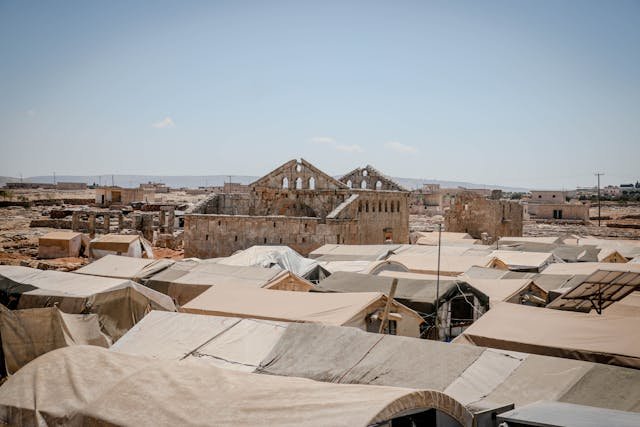
Why does this matter for how Africa treats its refugees? Because the logic of Pan-Africanism the logic of continental solidarity, of seeing the displaced person as a sibling rather than a stranger is directly contradicted by the political reality that many African states have created for refugees within their borders. Kenya, despite hosting one of the largest refugee populations in the world, has maintained policies that restrict refugees from living outside designated camps, from accessing formal employment, from moving freely. These policies are not consistent with the values that Pan-Africanism articulates. They represent a failure of the African imagination to reach the people who need it most.
I want to be careful not to romanticise. Pan-Africanism has its own contradictions. The movement's history is marked by the same tensions between national interest and continental solidarity that complicate refugee politics today. The Organisation of African Unity, the African Union these institutions were built by states whose first loyalty is to their own citizens, not to the displaced people crossing their borders. Understanding the limits of Pan-Africanism is as important as understanding its potential. The question is whether we can retrieve the moral core of the tradition the insistence on African dignity, African solidarity, African self-determination and apply it to the refugee question in ways that are politically viable.
Africa's collective consciousness seeing refugees as brothers and sisters offers one of the strongest pathways to genuine inclusion. Not because it is easy. Because it is true.
There are signs that this retrieval is possible. Across East Africa, community organisations, religious institutions, host communities, and local governments have found ways to welcome displaced people that the formal policy architecture never mandated. These are not perfect relationships. There are tensions, resentments, and resource pressures that cannot be wished away. But they demonstrate that the African imagination — at its most generous already contains a model of solidarity that the formal system is still struggling to build. The task for advocates, for journalists, for policymakers, is to take what already exists in communities and make it the norm, rather than the exception.